
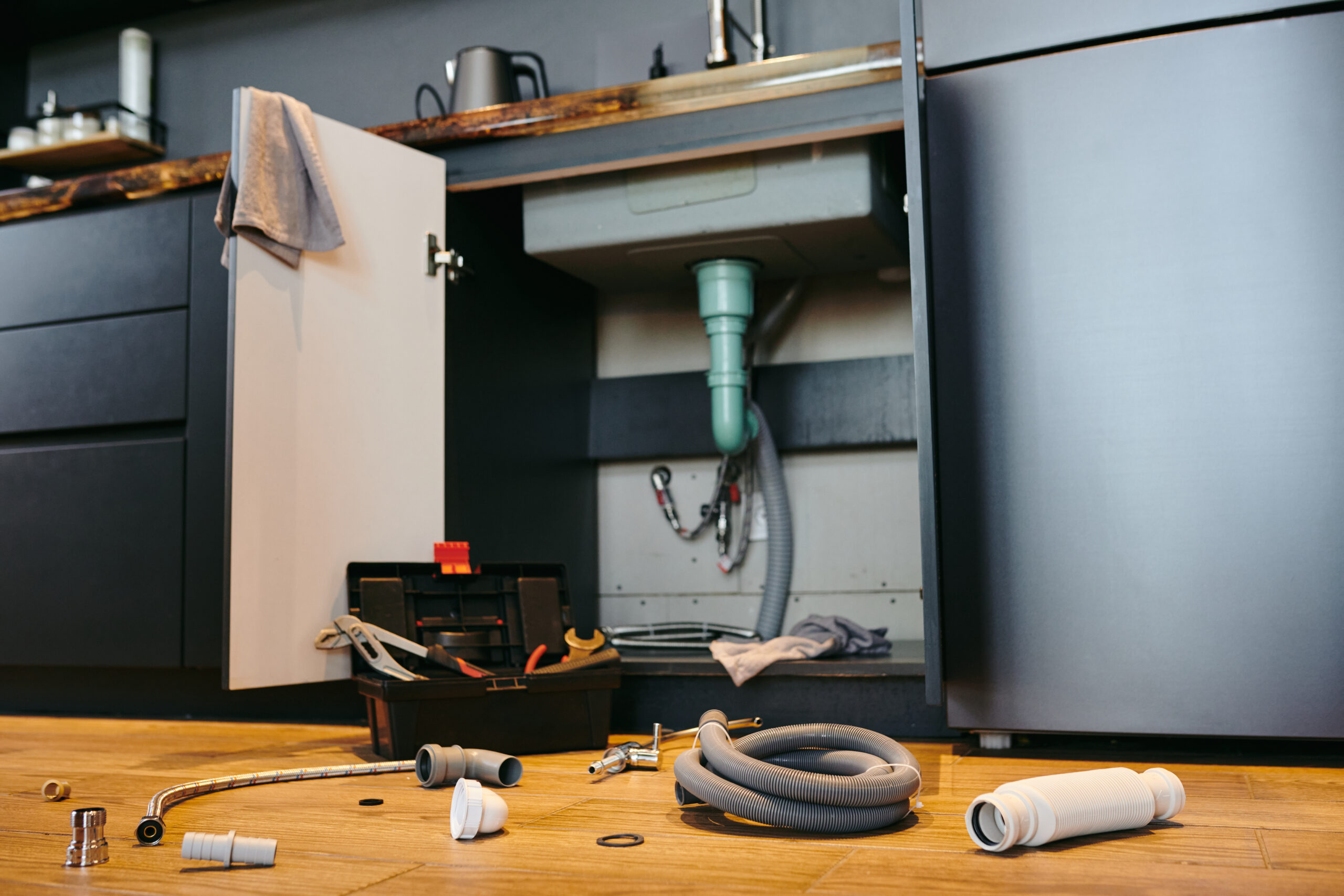
Plumbing emergencies can cause serious damage within minutes. Whether it’s a burst pipe flooding your floors, a backed-up sewer line releasing contaminated water, or a gas leak threatening your safety, quick action is essential. Delayed responses lead to costly repairs, mold growth, structural issues, and health hazards.
This guide breaks down the 10 most common plumbing emergencies homeowners face and includes 10 fast, actionable repair remedies you can perform instantly. These steps stabilize your system, reduce property damage, and help keep your home safe until a licensed plumber arrives. Each emergency includes what to look for, why it happens, and what to do immediately. Keep on reading with Hands on Duty in Brighton, MA, to learn more about common plumbing emergencies and how you can fix them.
The Fix-It List: 10 Plumbing Emergencies & 10 Fast Remedies
1. Burst Pipes
Why It Happens:
Common causes of a plumbing emergency include freezing temperatures, aging pipes, shifting soil, excessive water pressure, or corrosion in galvanized steel, copper, PEX, or PVC.
Warning Signs:
- Sudden drop in water pressure
- Water stains on ceilings or walls
- Puddles forming near walls or floors
- Hissing or spraying sounds inside the walls
Instant Remedy
- Shut off the main water shutoff valve immediately to stop flooding.
- Cut the electricity near the leak to avoid electrical hazards.
- Place towels, buckets, or tarps to contain water.
- If accessible, wrap the damaged pipe with pipe tape or a rubber patch as a temporary seal.
- Contact a licensed plumber for pipe replacement or repiping assessment.
2. Clogged Drains
Why It Happens:
Hair buildup, soap scum, grease, food debris, tree roots in underground lines, or collapsed drain pipes are some of the causes of a plumbing emergency.
Warning Signs:
- Gurgling sounds
- Slow drainage
- Foul odors from sinks
- Water is pooling around the shower drains
Instant Remedy
- Use a plunger to remove surface-level blockages.
- Insert a drain snake or auger to break deeper clogs.
- Pour baking soda followed by hot water to dissolve mild buildup.
- Avoid chemical drain cleaners—these corrode PVC and metal.
- If multiple fixtures clog simultaneously, call a plumber (likely a main line issue).
3. Leaky Faucets
Why It Happens:
Worn-out O-rings, cracked cartridges, loose connections, or mineral buildup affecting water flow.
Warning Signs:
- Dripping even when the faucet is off
- Loose handles
- Rust around the fixture
- Increased water bills
Instant Remedy
- Shut off the water to the affected faucet.
- Tighten loose screws or handle bases.
- Replace the O-ring, cartridge, or washer depending on faucet type (cartridge, ceramic disc, compression, or ball faucet).
- If leaks continue, internal valve or seat damage may require a plumber.
4. Running Toilets
Why It Happens:
Faulty flapper, stuck float, worn fill valve, or mineral buildup preventing proper sealing.
Warning Signs:
- Continuous flowing sound
- Weak flushes
- Higher water bill
- Water trickling inside the tank
Instant Remedy
- Remove the tank lid and inspect the flapper valve and chain.
- Ensure the chain isn’t too tight or tangled.
- Clean or replace the flapper if it’s warped.
- Adjust the water level by raising the float.
- Replace faulty fill valves if needed—or call a plumber for a full tank rebuild.
5. Sewer Backup
Why It Happens:
One of the common causes of a plumbing emergency is tree root invasion, collapsed sewer lines, grease blockage, or heavy rain overwhelming the municipal system.
Warning Signs:
- All drains are backing up simultaneously
- Bad sewage smell
- The toilet bubbles when the sink drains
- Basement drain overflow
Instant Remedy
- Stop using toilets, sinks, washing machines, and showers immediately.
- Shut off the main water supply to halt inflow.
- Avoid contact with wastewater.
- Call an emergency plumber to access the sewer cleanout and clear blockages with hydro-jetting.
6. Water Heater Failure
Why It Happens:
Sediment buildup, thermostat failure, loose connections, a corroded tank, or a failed pressure relief valve are some of the causes of a plumbing emergency.
Warning Signs:
- No hot water
- Discolored or rusty water
- Hissing or popping noises
- Water around the heater
Instant Remedy
- Check the thermostat settings and reset if needed.
- Inspect breakers (electric heaters) or pilot lights (gas heaters).
- Shut off the water and power if the tank is leaking.
- Do not attempt to repair gas lines or temperature sensors yourself.
- Call a licensed technician to flush sediment or replace the heater.
7. Low Water Pressure
Why It Happens:
Clogged aerators, corrosion inside pipes, partially closed valves, a faulty pressure regulators, or municipal supply issues.
Warning Signs:
- Weak flow from faucets
- Sudden pressure loss across multiple fixtures
- Sputtering water
Instant Remedy
- Clean aerators and showerheads to remove mineral deposits.
- Ensure the main shutoff valve is fully open.
- Inspect the pressure regulator for malfunction.
- If pressure is low throughout the home, you may have a hidden leak or mainline issue—call a plumber.
8. Frozen Pipes
Why It Happens:
Pipes located in uninsulated attics, basements, exterior walls, or crawlspaces are prone to freezing in cold temperatures, and some of them can cause a plumbing emergency.
Warning Signs:
- Little or no water flow
- Frost on exposed pipes
- Bulging pipe sections
Instant Remedy
- Shut off the main water supply to reduce burst risk.
- Use warm towels or a hair dryer on low heat to thaw slowly.
- Open cabinet doors to allow warm air into pipe areas.
- Never use open flames or torches—they can ignite insulation or cause explosions.
- Call a plumber if you suspect cracks or if pipes won’t thaw.
9. Sump Pump Failure
Why It Happens:
These are some of the causes of a plumbing emergency: power outage, clogged discharge lines, stuck float switch, pump age, or debris blocking the impeller.
Warning Signs:
- The pump doesn’t activate during heavy rain
- Water is pooling in the pit
- Strange noises
- Frequent on/off cycling
Instant Remedy
- Ensure the pump is plugged in and the GFCI outlet hasn’t tripped.
- Reset the breaker if necessary.
- Lift the float to check if the pump activates manually.
- Clear debris from the sump pit.
- If the pump still fails, call a plumber to repair or replace it—especially during storms.
10. Gas Leaks
Why It Happens:
Damaged gas lines, faulty water heater connections, loose fittings, or appliance malfunctions.
Warning Signs:
- Rotten egg smell
- Hissing near gas lines
- Headaches or dizziness
- Dead vegetation near outdoor gas lines
Instant Remedy
- Leave the home immediately.
- Do not switch lights on/off, use phones, or ignite flames.
- Call the gas company or emergency services from a safe distance.
- Do not return until professionals confirm safety.
Conclusion
A plumbing emergency can escalate quickly, but knowing what to do in the first moments can prevent major damage. By finding the main shutoff valve, recognizing warning signs early, performing basic temporary fixes, and calling a professional promptly, you can protect your home from costly repairs. For complex issues—sewer backups, gas leaks, heater failures, burst pipes—never attempt full repairs yourself. Fast, informed action keeps your home safe and minimizes long-term damage.
FAQs
1: Does home insurance cover a plumbing emergency?
Insurance usually covers sudden water damage from events like burst pipes but often excludes slow leaks or poor maintenance. Check your policy for exclusions.
2: What is the first step in any plumbing emergency?
Shut off the main water valve and cut electricity if water is near outlets. Then contact a licensed plumber.
3: Can I fix plumbing emergencies on my own?
You can address basic clogs, minor leaks, or temporary solutions, but major issues—especially gas leaks, sewer backups, or burst pipes—require professionals.
4: Where is my main shutoff valve located?
Most homes have it near the water meter, in the basement, in the utility room, or on an exterior wall facing the street.
5: How can I prevent plumbing emergencies?
Insulate pipes, flush the water heater annually, maintain drains, install a pressure regulator, and schedule routine plumbing inspections.