
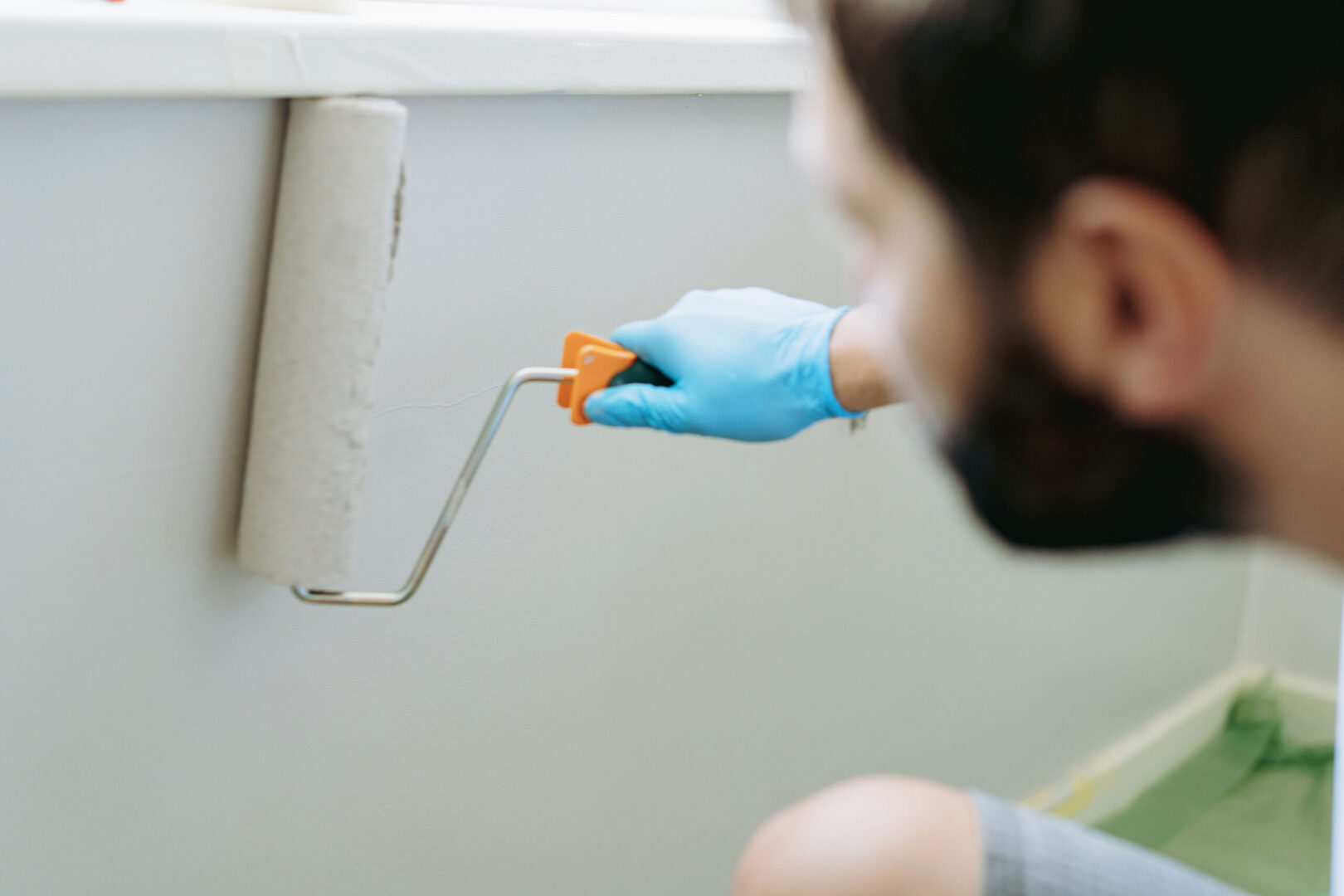
The outer paint is also crucial in securing your house and beautifying the house. It also protects external surfaces against severe weather, rain, sunlight, and wear and tear, besides being aesthetically pleasing. The selection of paint, finish, and application techniques can be a major influencing factor on the durability and maintenance costs in the long run. This blog by Hands on Duty takes you through the basics of exterior paint, the process of preparation and application, as well as intelligent color and maintenance tips.
Understanding Exterior Paint Basics
The basic knowledge on exterior paint includes the appropriate materials, finishes, and functionality advantages to make sure that your house is safe, attractive, and structurally sound in the long run.
Types of Exterior Paint
Various exterior paints are developed depending on the surface they are applied to, weather conditions, and strength requirements, and proper choice is indispensable for long-term results.
| Paint Type | Key Features | Best Used For |
| Acrylic Latex | Water-based, flexible, mildew-resistant, and fade-resistant | Wood, fiber cement, vinyl siding |
| Oil-Based (Alkyd) | Hard, durable finish with strong adhesion | Trim, metal, high-wear areas |
| Elastomeric | Thick, flexible, crack-bridging coating | Stucco, masonry, concrete |
Exterior Paint Finishes
Exterior paint finishes control the durability, sheen, and maintenance convenience, and affect the appearance of imperfections and architectural details as well.
| Finish Type | Appearance | Durability & Use |
| Flat / Matte | No shine, hides flaws | Low durability, best for older surfaces |
| Satin / Eggshell | Soft sheen | Easy to clean, ideal for siding |
| Semi-Gloss / Gloss | High shine | Moisture-resistant, best for trim and doors |
Why Exterior Paint Is Important
The exterior paint is not only functional in terms of protection but also aesthetic in terms of value and integrity of the house.
- Protection from Weather: Shields surfaces from rain, humidity, UV rays, and temperature-related damage.
- Structural Preservation: Prevents rot, mold, and moisture damage to siding and structure.
- Improved Curb Appeal: Enhances appearance by highlighting architecture and maintaining a clean exterior.
- Increased Property Value: Preserves integrity, lowers repair costs, and boosts resale potential.
Preparation and Application Process Step-by-Step.
A well-prepared and applied exterior paint finish is essential to a lasting, smooth, and professionally finished exterior paint job that can hold up to the pressure of the environment.
Step 1: Cleaning and Inspection of a surface.
Start with the cleaning of external surfaces to clean dirt, mildew, and debris away. Check cracks, peeling paint, rot, or damage since repaint will not be binding and last shorten the life of the paint.
Step 2: Repair, sanding, and Caulking.
Fix broken spots, reconstruct rotten wood, polish coarse areas, and peel off flaking paint. Use exterior-grade caulk on the gaps and seams to avoid the penetration of moisture and to provide a surface that is even.
Step 3: Priming the Surface
Painting Bare wood and masonry, stained areas, and repaired areas. Primer improves the adhesion of paint, stains, and gives even color coverings, which increase overall durability and finish quality.
Step 4: Paint Application
Use brushes to add details, rollers to add large areas, or sprayers to add even coverage. Recommended intervals on drying between coats are recommended to enhance good bonds as well as durability.
Step 5: Last Inspection and Adjustments.
After the paint is dry, check to see whether there are any spots left out, uneven paint application, or dripping. Full touch-ups are immediately in order to get a clean, uniform, and durable exterior finish.
Step 6: Selection, Maintenance, and Lifespan of Colors.
Selecting the appropriate exterior colors and maintaining a regular maintenance schedule will prevent the decline of your paint in terms of appeal, functionality, and longevity over a long period of time.
How to Choose the Right Exterior Color
| Selection Factor | What to Consider |
| Climate | Lighter colors reflect heat; darker colors absorb heat and may fade faster |
| Architecture | Choose shades that complement design style and exterior materials |
| Surroundings | Coordinate with roof color, landscaping, and nearby homes |
| Testing | Test samples on multiple walls to observe lighting changes |
Maintenance Guide on Exterior Paint
The reason is that regular maintenance guarantees your exterior paint can be both protective and appealing to the eye in terms of its anticipated lifespan.
- Check on painted surfaces every year and look out for cracks, peeling, and damage that is caused by moisture.
- Clean outside walls once a year or twice a year to eliminate dirt and pollution.
- Apply a paint repair at the initial stages of a paint breakage to avoid a general failure of the paint.
- Mostly, drainage, leaks, or moisture can be regarded as the major problem that needs to be addressed immediately to preserve painted surfaces.
Conclusion
Exterior paint is a long-term investment that protects your house, besides increasing the value and look of your home. With the right knowledge on the basics of paint, a systematic preparation and application that can be handled, and a choice of the correct colors with the right maintenance, the homeowner can attain the right results that would last long and be attractive. Whatever you choose to do to it, be it a DIY or professional project, it is the informed decisions that enable you to make your exterior paint look beautiful and last many years.
FAQs
Is it possible to apply exterior paint on old paint without first stripping it?
Yes, provided that the current paint is in good condition, clean, a nd well-sanded.
Does exterior painting contribute to energy saving?
Paints of light color may reflect heat, hence cutting down cooling expenses in hot climates.
What is the shortest time possible to start exterior painting after it rains?
Normally, after 24-48 hours of dry conditions, which is dependent on the level of humidity.