
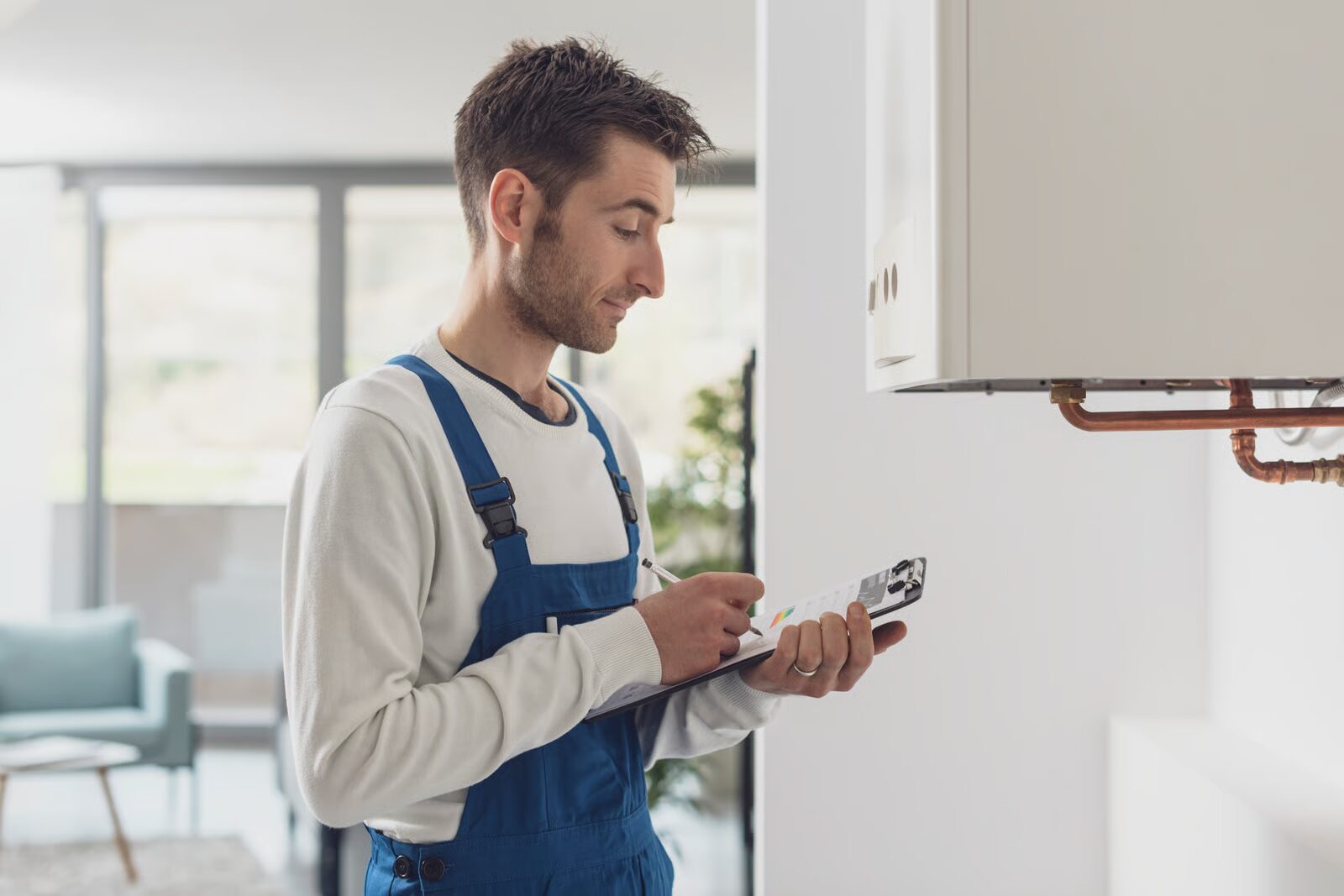
The right HVAC maintenance Boston professionals will ensure your heating system is ready for winter. In Boston, winters don’t let up. One cold snap in January can go from a minor furnace problem to a no-heat situation. The positive side of the coin is that Fall HVAC maintenance that the Boston homeowner can do is far-reaching. This heating system checklist will take about an afternoon to complete, and it will also help you know when to call in the professionals.
Your DIY Heating System Checklist for HVAC maintenance Boston
You don’t need special tools for these steps. Do them before the first hard freeze.
1. Test your thermostat. Put it on “heat” and set it 5 degrees higher than room temperature. The system should begin up in a few minutes. Change the thermostat batteries at the same time!
2. Replace the air filter. A clogged filter means that your system has to work harder to function, increasing your bills and reducing the life of your system. Replace it every month in the winter and whenever it is gray and dusty. Typical filters should be replaced once every month to three months.
3. Clear the area around your furnace or boiler. Remove snow from around the furnace or boiler. Maintain a clearance of 3 feet from it. Clear boxes, paint cans, and combustibles from the unit.
4. Open and unblock vents and radiators. Ensure furniture, rugs, and curtains are not blocking registers or radiators. Vacuum the dust out of vents. For radiators, ensure that the valves are fully open, and inspect for drips or rust.
5. Check outdoor vents and exhaust pipes. High-efficiency furnaces may vent from the side of the house. Remove leaves, debris and eventually snow drifts. Clogged vents can cause a malfunction or safety problem.
6. Test smoke and carbon monoxide detectors. Test smoke and CO detectors; press test buttons, change batteries. Detectors should be located on all levels of your home and close to sleeping areas. Change any detector that is past its expiration date, typically found on the back.
7. Run a trial cycle. Allow it to simmer for 15-20 minutes. It’s normal if you get a brief burning dust smell the first time you start it up. Check for odd sounds, and observe if all rooms heat up.
8. Seal drafts. Inspect windows and doors for drafts and caulk or install weatherstripping as necessary. The reduced heat loss reduces equipment strain.
When to Call a Pro
A checklist enables you to find issues early. It is not a substitute for a certified technician. Never unmount furnace panels, touch gas valves, or make furnace burner or flue pipe adjustments.
Act immediately if you:
- Breathe in the odor of gas (rotten eggs). Go to the outside of the house and dial 911 or your gas company.
- Hear a carbon monoxide alarm. Evacuate the area and dial 911.
Book a professional visit soon if you notice:
- An abnormal yellow or orange flame from the burner instead of a blue flame
- Sounds that sound like pounding or grinding, or a squealing sound.
- The system cycles on and off periodically, typically every few minutes.
- A cold room or irregular temperature.
- Water puddling around boiler or furnace
- The rising cost of heating for no apparent reason.
- Equipment that is more than 15 years old and has not been recently inspected.
Get your furnace tune up before the winter rush by scheduling a furnace tune-up if it has been over a year since you had a technician check it. A pro will inspect safety controls, test combustion, clean parts, and replace worn parts before they cause problems.
Need help? Our team handles HVAC services across Boston, Brighton, Newton, Watertown, Somerville, and nearby towns. Call (617) 903-2411 to get started.
Frequently Asked Questions
1. When should I start winter HVAC maintenance in Boston?
October or early November is best before freezing temperatures set in. Early checks give time for repairs and do not put you in the “busy season”.
2. How often should I get a furnace tune up?
The typical recommendation is to do so once a year, preferably in the fall. However, if the equipment is older or has a lot of use, it may be worth giving it some extra attention.
3. Can I do this heating system checklist without any experience?
Yes. All of the above are safe for homeowners. Simply avoid working with any kind of gas lines, burners, electrical panels, or opening the unit.
4. How do I know if my furnace needs repair or replacement?
Warning signs include frequent breakdowns, increased energy costs, hot and cold spots, and age over 15 years. A technician will be able to determine if repair or replacement is the more economical option.
5. What does a professional HVAC visit include?
Normally, a safety inspection, combustion and carbon monoxide checks, cleaning, filter and thermostat checks, and checking controls and airflow.
Stay Warm This Winter
Staying on top of HVAC maintenance Boston winters demand doesn’t take much. Run through the checklist, watch for warning signs, and schedule a furnace tune up if one is due. When something looks beyond DIY, visit our HVAC page or call (617) 903-2411.