
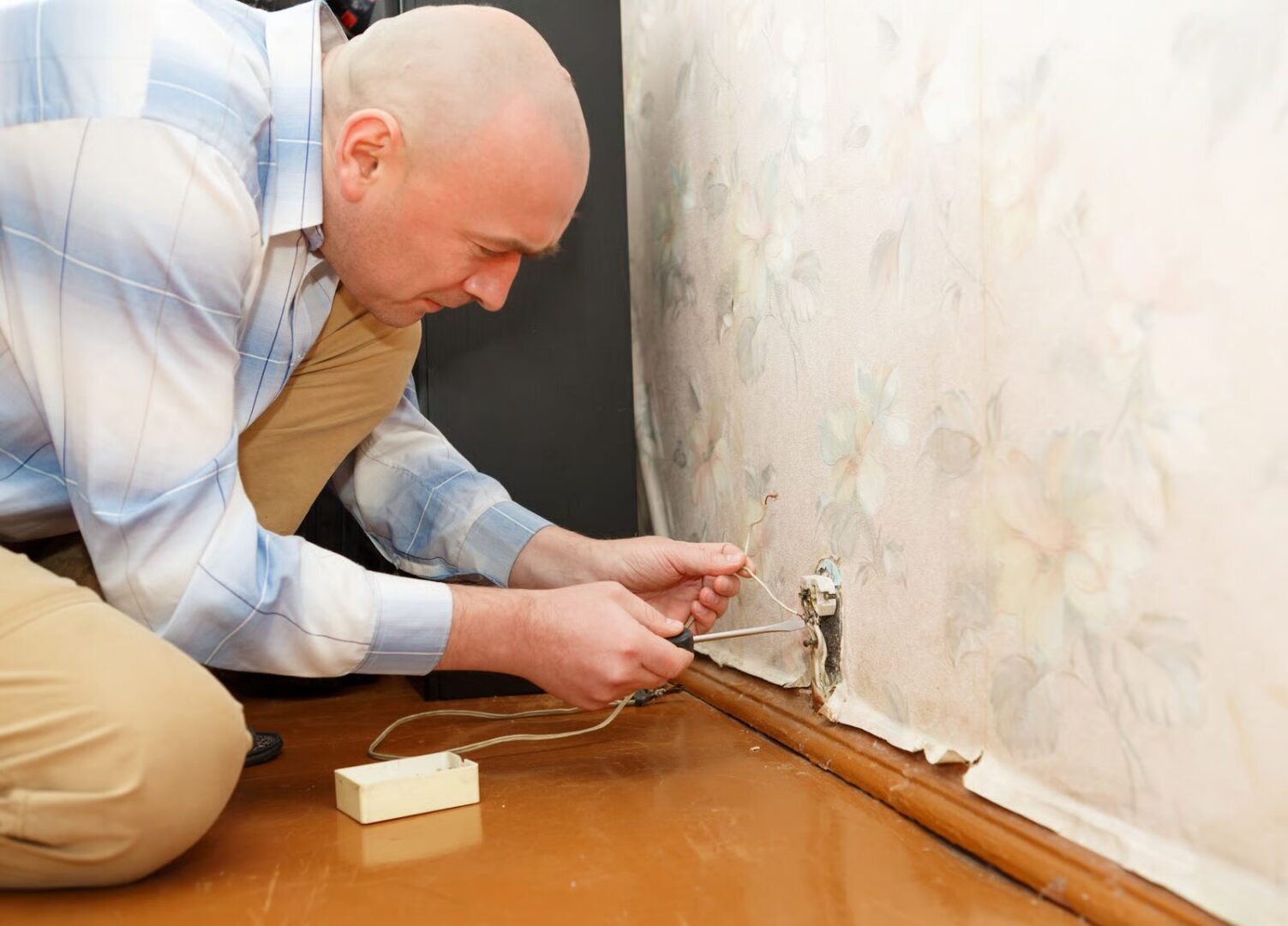
When it comes to older homes in Boston, many residents have to deal with a variety of common electrical issues. Boston is known as one of the most beautiful and historic cities with classic New England homes. But the old buildings have often concealed old equipment behind their plaster walls. Avoiding these risks helps keep your family safe and avoids catastrophic house fires. Wiring can deteriorate over time and cause issues. Hands On Duty lists the most common indicators you need electrical repairs; Boston residents will understand when a professional expert is needed.
Identifying the Need for Electrical Repairs in Boston
Timely electrical repairs Boston residents can rely on safeguard their investment against unexpected fires. Older buildings have distinct construction methods, which can deteriorate over the years. If you pay careful attention to your power’s behavior, you can avoid small problems from becoming big problems.
Be aware of these real symptoms:
- Flickering lights: Lights that suddenly get dimmer whenever the refrigerator or heater is turned on.
- Warm outlet covers: Switch plates that are visibly hot.
- Tripping circuits: Multiple fuses blowing or circuits tripping often is a sign of a short circuit or major electrical problems.
- Burning smells: A distinctive acrid plastic smell from wall outlets.
The Real Threat of Older Home Wiring
Older home wiring systems do not have up-to-date safety ground paths, which means that your electronics are unprotected. Knowing what’s behind your walls makes you aware when your system is overloaded.
The Knob and Tube System Problems
- No ground wire: Only a hot and neutral line used, thus increasing shock hazards.
- Brittle insulation: The rubber insulation will crack with time and expose live copper wires.
- Trapped heat: When heat is trapped within the structure, as by the building’s insulation, it becomes a huge fire hazard.
Ungrounded Two-Prong Outlets
- Limited protection: Is unable to safely redirect stray electricity away from appliances and other electrical devices.
- Modern incompatibility: Forces the use of unsafe adapters for 3-prong plugs.
- Risk of shock: Greatly increases the risk of electric shocks in the kitchen and bathroom.
| Type of Wiring System | Common Use Era | Main Safety Risk | Immediate Action Needed |
| Knob and Tube | 1880s to 1940s | Brittle insulation, no grounding, fire hazard | Highly needed. |
| Aluminum Wiring | 1960s to 1970s | Loose connections at outlets, fire hazard | Yes, it needs to be inspected. |
| Unbacked Outlets | Pre-1970s | Shock risks near water, appliance damage | Yes, replace with GFCI. |
Upgrading Your System for Safety
It takes new diagnostic tools and code knowledge to overcome the problems with power in older buildings. Playing with electricity is a very dangerous activity and usually should only be performed by a licensed professional. An expert can quickly update your panel without harming your plaster walls. Be sure to have the following modern features in your professional upgrade plan:
- Heavy-up service: Replacing the aging 60-amp electrical service with a new 200-amp electrical box.
- GFCI installations: Installing specialized GFCI outlets in areas that are close to sinks, basements, and kitchens.
- AFCI installations: Dangerous hidden sparks and unusual patterns are detected by arc-fault circuit interrupters.
- Full rewiring: Safely removing old lines and installing new insulated copper lines.
How Professional Electricians Maintain Safety
Local Boston electricians with experience will know the rules governing historic preservation. They understand the local city permit procedures and get them done in a safe, efficient, and smooth manner. Make sure that your selected service provider has these key professional standards.
- Check if the electricians are certified to work in the Boston area.
- If they have experience handling older construction.
- Fully itemized quotes: Cost breakdowns with no hidden surprise fees.
- Ask if they follow safety protocols for the safe completion of each project.
Conclusion
For maintaining your historic property, you need to keep a close eye on the health of your power system. If you have older home wiring that is causing flickering lights, take action before the little sparks turn into dangerous fires. Call a professional at Hands On Duty to provide electrical repair services before it’s too late. Schedule your appointment at https://handsonduty.com/ to keep your family safe.
Frequently Asked Questions
1. When large appliances are used, why do my light bulbs flicker?
Your lights flicker because the old electrical panel doesn’t have enough capacity for the demand. When the large appliance is on, the current from the lighting circuit is reduced, making the lights dim.
2. Is knob and tube wiring completely prohibited in Boston Homes?
It’s not illegal to own, but local insurance firms don’t insure homes with it.
3. Why is aluminum wiring hazardous for residential properties?
Active electric currents change the dimensions of aluminum significantly. This shifting can cause wire connections to loosen with time and produce unsafe spark gaps.
4. How do GFCI outlets prevent my family from being shocked by electricity?
GFCIs continuously check the flow of electricity through the circuit. It automatically shuts off in milliseconds if it senses current flowing into water or a human body.
5. What is the average time needed to rewire an old house?
The home rewiring process typically takes 4 to 10 business days for a complete rewiring of the electrical system.