
A professional-quality interior painting job does far more than change wall color. It improves lighting, enhances mood, protects surfaces, and increases property value. Yet most paint jobs fail not because of bad paint, but because of poor preparation, rushed application, and incorrect technique.
Homeowners often assume interior painting is simple. In reality, achieving clean lines, smooth finishes, and long-lasting results requires planning, material knowledge, and discipline in execution. This expert guide from Hands on Duty breaks down proven interior painting best practices, highlighting what actually matters, what mistakes to avoid, and how professionals deliver durable, high-end results.
Whether you’re repainting one room or refreshing your entire home, these tips will save time, money, and frustration.
Why Interior Painting Quality Matters
Interior painting in Watertown, MA, directly affects:
- Home aesthetics and first impressions
- Surface durability and protection
- Indoor air quality (paint choice matters)
- Resale and appraisal value
Poor interior paint jobs often peel, streak, fade, and crack—sometimes within just a few months. High-quality interior painting, done correctly, can last 7–10 years or more.
1. Proper Surface Preparation Is Non-Negotiable
Professional interior painting starts long before the paint can is opened.
Key Preparation Steps:
- Repair nail holes, cracks, and dents
- Sand uneven or glossy surfaces
- Clean walls to remove dust, grease, and residue
- Remove or mask hardware, trim, and fixtures
Do you know that skipping preparation is the #1 cause of paint failure? Paint does not hide flaws—it highlights them.
2. Choose the Right Paint for Each Room
Not all interior paint is the same. The room function determines the correct paint type.
Paint Types by Room:
- Living rooms & bedrooms: Low-sheen latex paint
- Kitchens & bathrooms: Moisture-resistant, washable paint
- High-traffic areas: Durable, scuff-resistant finishes
Using the wrong paint leads to premature wear, stains, and mold issues—especially in humid spaces.
Low-VOC and Eco-Friendly Paints
Modern interior painting increasingly favors low-VOC paints to improve indoor air quality and reduce odors.
3. Understand Paint Finishes (Sheen Matters)
Paint sheen affects durability, appearance, and maintenance.
Common Interior Paint Finishes:
- Flat/Matte: Hides imperfections, low durability
- Eggshell: Soft look, easy maintenance
- Satin: Best balance of durability and aesthetics
- Semi-gloss: Ideal for trim, kitchens, and bathrooms
- Gloss: High durability, highlights flaws
Choosing the wrong finish is a common homeowner mistake. Professionals select sheen based on wall condition and usage.
4. Use the Right Tools for Interior Painting
High-quality tools directly impact finish quality.
Professional-grade tools include:
- Angled brushes for cutting-in
- High-density rollers matched to wall texture
- Extension poles for consistent pressure
- Drop cloths—not plastic sheets
Cheap rollers shed fibers and create uneven coverage. Brushes lose shape, causing sloppy lines.
Interior painting professionals never compromise on tools.
5. Prime Correctly (Or Don’t Skip It)
Primer is not optional in many situations.
When Primer Is Required:
- Painting over dark colors
- New drywall or patched areas
- Glossy or stained surfaces
- Color changes with high contrast
Primer improves adhesion, blocks stains, and reduces the number of finish coats required—saving money long-term.
6. Master the Correct Painting Technique
Even the best paint fails with poor technique.
Expert Interior Painting Techniques:
- Cut in edges before rolling
- Maintain a wet edge to prevent lap marks
- Use consistent roller pressure
- Use a number of thin coats rather than a single thick coat.
Rushing leads to streaks, drips, and uneven texture.
7. Control Drying Conditions
Interior painting is affected by temperature, humidity, and airflow.
Ideal Conditions:
- Temperature: 50–85°F
- Moderate humidity
- Proper ventilation without direct drafts
Improper drying causes cracking, bubbling, and poor adhesion.
8. Don’t Ignore Trim, Doors, and Ceilings
Professional interior painting treats every surface with purpose.
- Trim: Requires durable, semi-gloss finishes
- Doors: Need hard-drying enamel paint
- Ceilings: Flat paint to hide imperfections
Using wall paint on trim or doors is a costly mistake that leads to chipping and fingerprints.
9. Color Selection Is Strategic, Not Emotional
Color affects perception of space, lighting, and mood.
Expert Color Tips:
- Light colors expand small rooms
- Warm tones create comfort
- Cool tones enhance modern spaces
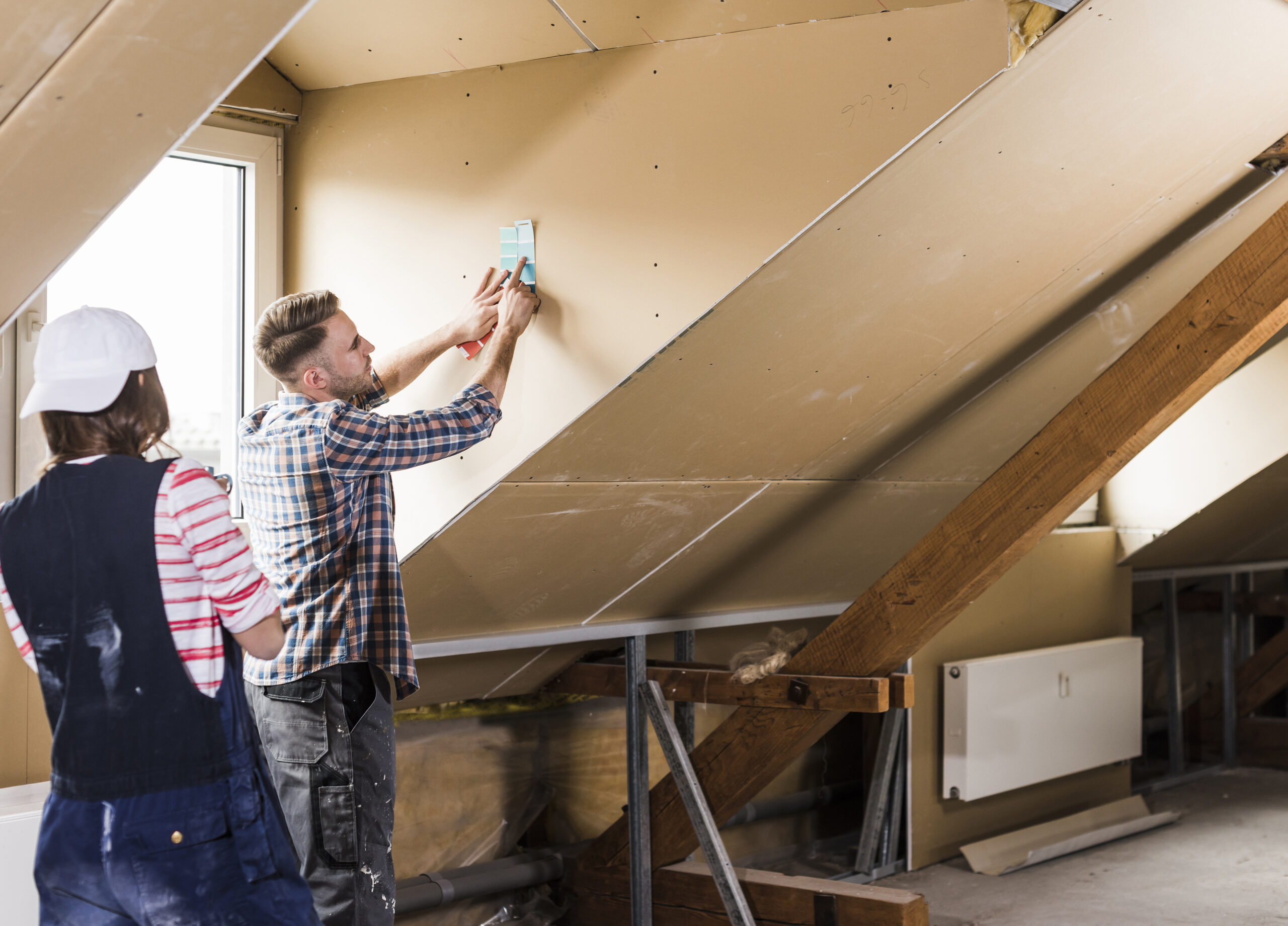
- Test samples in different lighting
Professional painters guide homeowners to avoid trendy colors that hurt resale value.
10. When to Hire a Professional Interior Painter
DIY interior painting works for small projects—but larger jobs often fail due to time, fatigue, and technical gaps.
Hire a Professional When:
- Painting multiple rooms
- Working with high ceilings or stairwells
- Dealing with damaged walls
- Using specialty finishes
Hands on Duty delivers professional interior painting that prioritizes durability, precision, and clean execution.
Why Choose Hands on Duty for Interior Painting?
Hands-on Duty approaches interior painting as a craft—not a commodity.
Clients choose Hands on Duty for:
- Thorough surface preparation
- High-quality materials
- Clean, detailed workmanship
- On-time project completion
- Long-lasting, professional results
A quality interior paint job should look flawless on day one—and still perform years later.
Conclusion
Interior painting is one of the most impactful upgrades you can make—but only when done correctly. From surface preparation and paint selection to technique and drying conditions, every step affects the final result.
Homeowners who cut corners often repaint sooner than expected, spending more in the long run. By following expert interior painting best practices or hiring professionals like Hands on Duty, you ensure a finish that enhances comfort, style, and property value.
Quality painting isn’t about speed—it’s about precision, durability, and execution.
FAQs
1. How long does interior painting last?
A professional interior painting job typically lasts 7–10 years, depending on room use and paint quality.
2. What is the best paint finish for interior walls?
Eggshell or satin finishes offer the best balance of durability and appearance for most rooms.
3. Do I need primer for interior painting?
Yes, primer is necessary for new drywall, dark colors, stains, and surface repairs.
4. How long does interior paint take to dry?
Most interior paints dry to the touch within hours, but full curing can take 7–14 days.
5. Is professional interior painting worth the cost?
Yes. Professional interior painting delivers better durability, cleaner finishes, and long-term savings.